Home/Blog/The Claw Code Revelation: Unpacking Agent Architecture, Trust, and the Future of AI Offices
human + AI workflows
The Claw Code Revelation: Unpacking Agent Architecture, Trust, and the Future of AI Offices
Claw Code: Exploring Agent Architecture, Trust, and the Future of AI Offices Introduction: An Open-Source Initiative and Its Impact Claw Code has emerged as a significant open-sour
11 MIN READ
14 Jun 2026
human + AI workflows
Claw Code: Exploring Agent Architecture, Trust, and the Future of AI Offices
Introduction: An Open-Source Initiative and Its Impact
Claw Code has emerged as a significant open-source initiative in AI development, focusing on the intricate operational logic of sophisticated AI agent harnesses. This project, a community-driven, clean-room rewrite, offers a candid glimpse into potential architectures for AI agent systems, which are increasingly shaping our digital future.
The profound significance of initiatives like Claw Code lies in the architectural transparency they aim to provide. This article will explore what Claw Code, as a framework, teaches us about the essential principles of transparency, modularity, and trust in AI agents. These lessons are not merely academic; they are fundamental to building effective AI offices, fostering robust human+AI collaboration, and shaping the future of work. The architectural principles explored by Claw Code clarify the intricacies and integration challenges that platforms like are designed to simplify, paving the way for seamless, transparent, and highly functional AI office environments.
What Claw Code Is (And What It Isn't): A Technical Genesis
Claw Code is an open-source initiative exploring the architecture of AI agent harnesses. Developer Sigrid Jin began a clean-room rewrite of an agent harness architecture. This project, orchestrated through OmX with parallel code review and continuous verification, was built entirely from scratch using Python, and later Rust. This open-source initiative, named Claw Code, was developed without copying any proprietary source code.
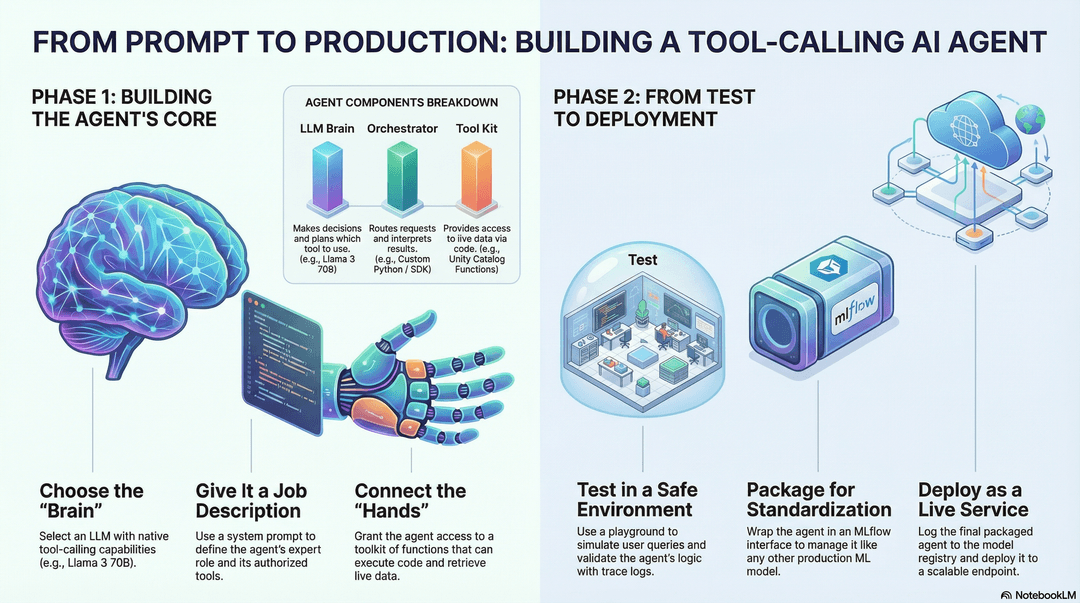
It is a re-imagination of agent harness architecture, often discussed in the context of proprietary tools like Claude Code, and built from an understanding of general architectural patterns. Claw Code thus provides a framework for orchestrating AI agents, managing their tools, and defining their execution flows. It’s fundamentally about the architecture of an agent — how it plans, uses tools, manages memory, and interacts with its environment — rather than the underlying model weights or specific AI capabilities. It is crucial to distinguish: Claw Code is not the original Claude Code, nor does it contain "stolen code." Instead, it is a testament to community-driven development, demonstrating how foundational architectural insights can be rapidly replicated and iterated upon in an open-source context.
Why Claw Code Matters: Strategic Lessons for AI Agent Deployment
Claw Code, as an open-source initiative exploring agent architectures, offers a wealth of strategic lessons for any organization contemplating the deployment of AI agents. It underscores critical considerations for transparency, architecture, user control, and the pace of innovation.
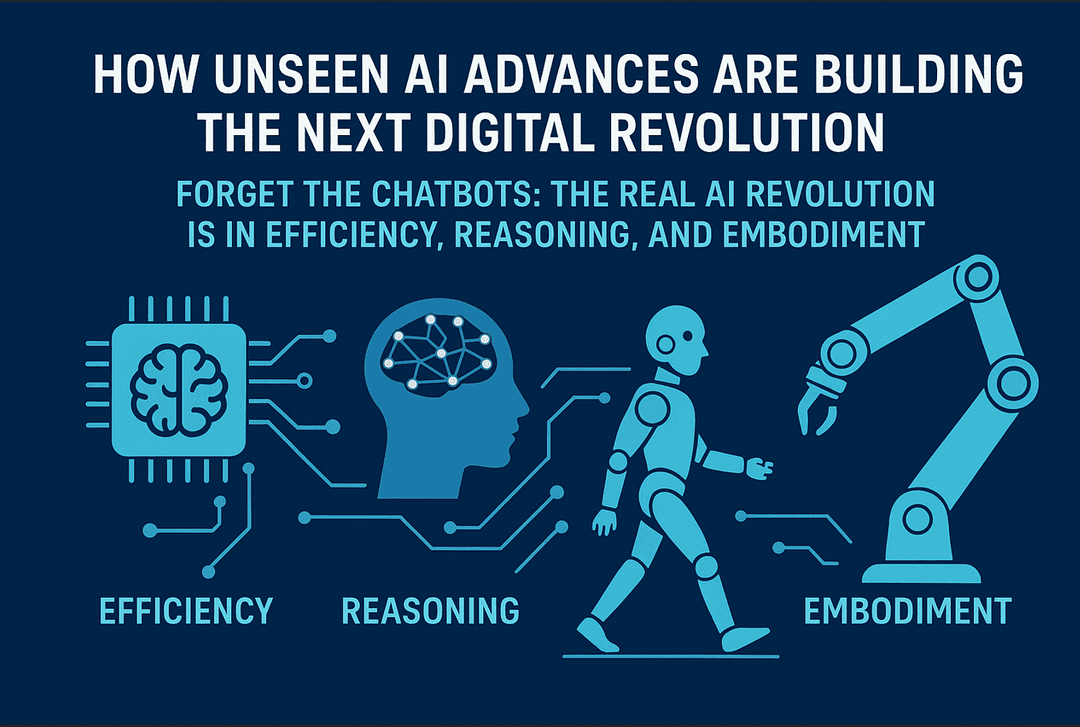
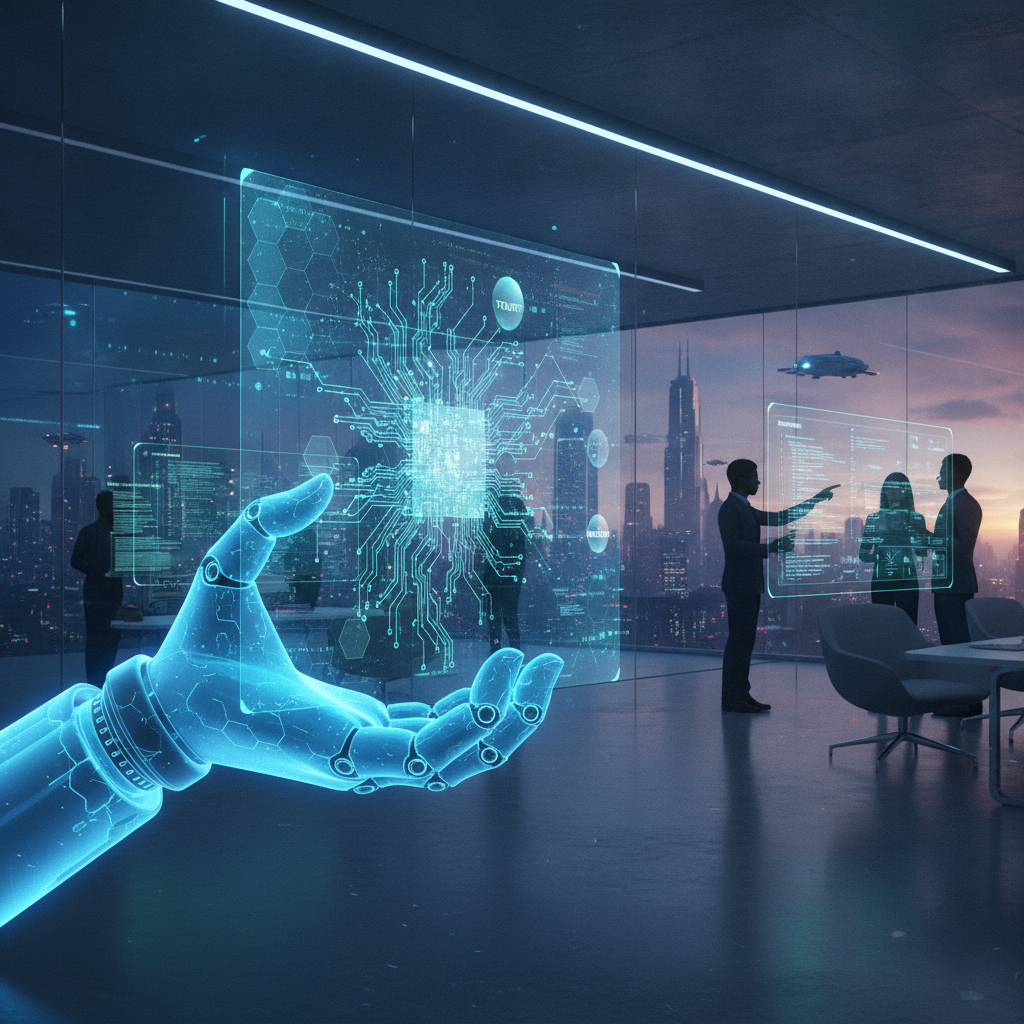
AI generated cover image
The Imperative of Transparency & Auditability:
Claw Code highlights the value of understanding an agent's "how"—its internal logic, decision-making processes, and operational flows. For organizations deploying AI agents, whether proprietary or open-source, understanding this internal logic is paramount. This isn't just about curiosity; it's about trust, compliance, and effective debugging. How do we ensure agents aren't "black boxes" whose actions are inscrutable? The implication is a heightened need for Explainable AI (XAI), clear logging mechanisms, and robust audit trails. These are essential for regulatory compliance, diagnosing failures, and, most importantly, building user confidence. Without transparency, even the most powerful AI agent will struggle to gain full adoption and trust within an enterprise.
Modular Architecture as a Foundation for Robustness and Scalability:
Claw Code's clean-room rewrite inherently pushed for a modular, well-defined architecture. To rebuild such a complex system from scratch required breaking it down into distinct, manageable components. This process highlights the critical importance of designing AI agents with interchangeable modules for elements like tool systems, memory management, and planning. Such modularity ensures adaptability, simplifies maintenance, and allows for the easy swapping or upgrading of components without necessitating a complete system overhaul. This architectural foresight is crucial for any long-term future-of-work strategy, enabling organizations to evolve their AI capabilities dynamically as technology advances and business needs change.
The Human Desire for Control and Customization:
Community-driven initiatives like Claw Code reveal a powerful underlying desire among power users and developers: the need for agency over their AI tools. Users want to understand, modify, and customize their AI assistants, not merely consume them as fixed products. This highlights a fundamental tension between the power and autonomy of advanced AI agents and the human need for oversight, customization, and the ability to "look under the hood." While open-source initiatives like Claw Code directly empower this desire, proprietary systems must also find ways to offer similar assurances, perhaps through well-documented APIs, configurable parameters, or clear operational dashboards, to foster a sense of control and ownership among their users.
The Speed of Innovation and Community-Driven Development:
Claw Code, as an example of community-driven development, demonstrates the incredible pace at which AI architectures can be replicated, adapted, and iterated upon when foundational knowledge is shared. This velocity of development, fueled by a passionate community, signifies a dynamic and competitive landscape for AI tools. For businesses, this means that technological advantages can be fleeting. Staying agile, understanding core architectural patterns, and potentially engaging with open-source ecosystems can be a significant strategic advantage. It allows organizations to leverage collective intelligence, accelerate their own development cycles, and integrate cutting-edge capabilities more quickly.
Beyond the Code: What Claw Code Means for AI Offices and Human+AI Collaboration
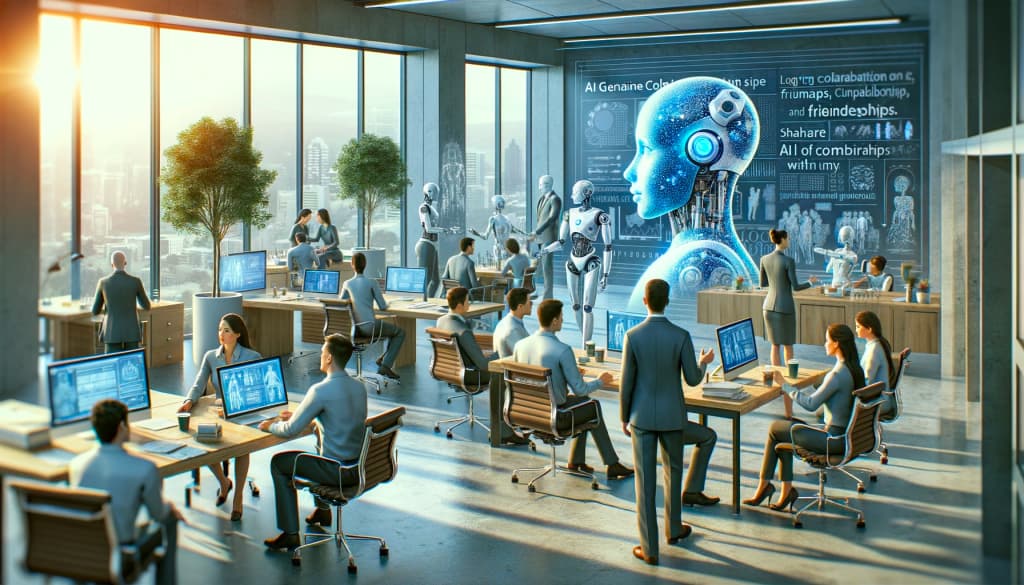
The lessons from Claw Code extend far beyond developer communities, directly impacting the strategic design and implementation of AI within modern workplaces. It reshapes our understanding of how AI agents will integrate into "AI offices" and redefine human+AI collaboration.
Building Trust in Autonomous Agents in the Workplace:
The core debate around transparency, exemplified by initiatives like Claw Code, directly translates to the AI office. If human employees are to trust AI agents with critical tasks—from managing schedules to drafting reports or analyzing complex data—they need to understand the agents' operational logic, decision-making processes, and inherent limitations. Architectural clarity, even if abstracted for the end-user, is vital for fostering psychological safety and a willingness to embrace AI as a partner rather than a mysterious, potentially threatening entity. Moving past the fear of the unknown requires a foundation of understandability, enabling a collaborative environment where humans and AI can work in concert.
Designing for Explainability and Collaboration in a Virtual Workspace:
In an evolving AI office, agents are no longer just passive tools; they are increasingly becoming active collaborators. Their actions must be explainable, and their outputs understandable within a team context. The sophistication of an agent's harness, as studied through projects like Claw Code, profoundly influences its ability to communicate its reasoning, ask clarifying questions, and integrate seamlessly into shared workflows. This is vital for practical applications like meeting follow-ups, which require agents to accurately summarize discussions and assign tasks, or for complex data analysis, where an agent's methodology needs to be clear to its human counterparts.
This is precisely where Nonilion's virtual workspace becomes a critical enabler. Nonilion is designed to provide this very framework for transparent agent interaction. By offering structured environments and clear interfaces, Nonilion enables human teams to understand, guide, and effectively collaborate with AI agents on tasks like async execution and complex problem-solving. This fosters genuine human+AI co-working, where the underlying architectural principles exemplified by Claw Code translate into reliable, understandable, and collaborative AI partners.
The Future of Work Strategy: From Tools to Teammates:
The architectural sophistication showcased by projects like Claw Code points to a future where AI agents are highly integrated teammates, not just isolated utilities. This evolving role demands a comprehensive future-of-work strategy. Organizations must move beyond simply adopting AI tools to strategically deploying, managing, and evolving these agents within a coherent framework. This involves rethinking workflow automation, enhancing team coordination through AI, and even leveraging agents in strategic decision-making processes. The ability to manage an ecosystem of modular, transparent, and collaborative AI agents will become a core competency. How do organizations adapt their processes, training programs, and leadership structures to maximize the potential of these advanced AI collaborators, transforming them from mere tools into indispensable members of the team?
Implementing the Lessons: Architecting Your AI Office for Success
Translating the insights from Claw Code into actionable strategies for your AI office requires deliberate choices in technology, culture, and operational design.
Strategic Agent Selection and Deployment:
Organizations must prioritize AI agents built on robust, modular, and, where possible, transparent architectures. When evaluating proprietary solutions, look for vendors who offer clarity in their "harness" design, detailing how agents plan, use tools, and manage information, even if the underlying code remains proprietary. Due diligence should extend beyond surface features to core architectural principles that ensure reliability, auditability, and future-proofing. This means asking critical questions about an agent's internal logic, its ability to integrate with existing systems, and its mechanisms for explainability.
Fostering a Culture of Human-AI Synergy:
Technological choices must be accompanied by cultural shifts. Employees need training not just on how to use AI agents, but on how to interact with them as collaborators. This includes understanding their capabilities, recognizing their limitations, and developing effective feedback loops. Clear protocols for human-AI interaction, shared accountability for outcomes, and continuous learning are essential to build a synergistic environment where humans and AI can truly augment each other. This cultural integration is as vital as the technical integration.
Nonilion offers a practical example of an AI office designed with these principles in mind. Its integrated platform provides a shared virtual workspace where the architectural clarity exemplified by Claw Code translates into reliable, understandable AI agents. These agents enhance team coordination by streamlining communication and task management, and they optimize workflow automation by taking on repetitive or complex processes. Nonilion makes advanced AI accessible and manageable for every team, ensuring that the lessons of transparency and modularity are operationalized into daily work.
Conclusion: The Enduring Insights from Claw Code
Claw Code, as an open-source initiative, has provided valuable insights into the architecture and operational demands of advanced AI agents. It underscored the critical importance of transparency, the power of modular design, and the human desire for control and understanding in our interactions with AI. These lessons are not confined to the realm of developers; they are critical for every organization looking to harness the power of AI effectively and ethically within their offices.
The future of work isn't just about having AI, but about how we build, integrate, and collaborate with it. It demands systems that are not only intelligent but also intelligible, trustworthy, and adaptable. Nonilion stands as a leader in operationalizing these insights, creating a virtual workspace that ensures effective and trusted human+AI collaboration. By providing a platform where AI agents are transparent, manageable, and deeply integrated, Nonilion is actively defining a robust and collaborative future-of-work strategy for the modern enterprise.
01Why This Trend Matters for Nonilion
This trend matters to Nonilion because it points to a bigger change: teams are moving from simple calls toward persistent, AI-supported collaboration spaces. Nonilion can bridge live presence, meeting context, avatars, and follow-up work so the trend becomes a usable workflow instead of a headline.
02Shareable Extracts
The trend is not just "The Claw Code Revelation: Unpacking Agent Architecture, Trust, and the Future of AI Offices" - it is a signal that team coordination is becoming the next competitive edge.
Hot take: the teams that win from this shift will not be the ones with more meetings; they will be the ones with clearer shared context after every meeting.
If the claw code revelation: unpacking agent architecture, trust, and the future of ai offices keeps moving this fast, remote teams need a workspace where conversation, presence, and follow-up stay connected.
This project, a community-driven, clean-room rewrite, offers a candid glimpse into potential architectures for AI agent systems, which are increasingly shaping our digital future.
The profound significance of initiatives like Claw Code lies in the architectural transparency they aim to provide.
03Social Hooks
Everyone is talking about The Claw Code Revelation: Unpacking Agent Architecture, Trust, and the Future of AI Offices. The overlooked part is what happens to team workflows after the headline fades.
The uncomfortable question behind The Claw Code Revelation: Unpacking Agent Architecture, Trust, and the Future of AI Offices: are teams adapting their collaboration systems fast enough?
This is not a meeting trend. It is a coordination trend, and products like Nonilion sit right in the middle of that shift.