





Developer Productivity
opencode: What Developers Need to Know
Explore OpenCode: the open-source AI coding agent. Understand its features, benefits, challenges, and its role in the future of AI offices and collaborative development with Nonili

01OpenCode: What Developers Need to Know - An AI Office Perspective
I. Introduction: AI in Code and Collaboration
A. The Evolution of Software Development: Artificial Intelligence is increasingly integrated into various fields, including software development. AI is now assisting developers with tasks such as code generation and bug identification. This evolution is reshaping how software is developed.
B. OpenCode: An AI Coding Assistance Tool: Amidst this AI-driven shift, OpenCode has emerged as an open-source AI coding agent. It has a notable presence on platforms like GitHub, indicating its relevance for developers.
Want your team to run this workflow with AI-native execution?
Initial Nonilion Connection: Tools like OpenCode, focused on empowering individual developers, are valuable components for more sophisticated, collaborative AI-powered environments. At Nonilion, we see these individual agents as foundational elements that can be orchestrated within a larger AI office ecosystem to foster team synergy.
II. What is OpenCode? Understanding the AI Coding Agent
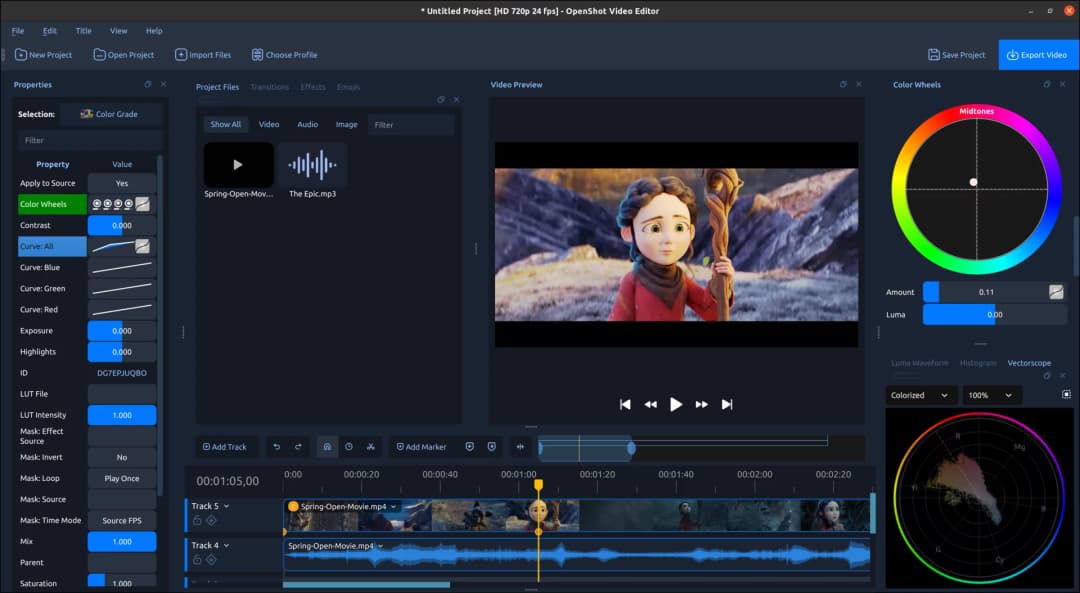
A. Core Functionality and Value Proposition: OpenCode is an open-source AI coding agent designed to assist developers in writing code. It is available across multiple interfaces, including a terminal-based interface (TUI), a desktop application, and as an extension for Integrated Development Environments (IDEs). This approach allows developers to integrate AI assistance into their workflows.
B. Key Features and Technical Underpinnings: Several characteristics define OpenCode:
- Open-Source Nature: This is a key aspect of OpenCode's appeal. The open-source model allows for code inspection and community contributions.
- Model Agnosticism: OpenCode can connect with various AI models, including Claude, GPT, and Gemini. This approach offers developers flexibility and avoids vendor lock-in.
- Privacy-First Design: The project emphasizes a privacy-first approach, which is important for developers handling code and data.
C. Community & Adoption: The success of OpenCode is reflected in its community engagement. With a significant number of GitHub stars and contributions, its impact is notable, signifying developer interest in AI coding assistance.
III. The Developer's Toolkit: OpenCode's Strengths and Opportunities
A. Empowering the Individual Developer: OpenCode offers advantages for individual developers:
- Cost-Effectiveness and Accessibility: Being free and open-source makes it an accessible option for individual developers and smaller teams.
- Enhanced Productivity: AI agents like OpenCode can potentially accelerate coding tasks and reduce repetitive work.
- Flexibility in AI Model Choice: The ability to connect with various AI models allows developers to select models based on their specific needs.
B. Open-Source Advantages: The open-source nature of OpenCode offers further benefits:
- Transparency: Developers can examine the source code, potentially fostering confidence in the tool's operations.
- Customization Potential: The open-source framework may allow for adaptation to specific project requirements or integration into development pipelines.
- Community-Driven Innovation: An active developer community can contribute to improvements and new features.
IV. Navigating the Landscape: OpenCode's Challenges and Considerations
A. User Experience and Complexity: User feedback suggests areas for improvement regarding OpenCode's user experience. Some users have described the terminal user interface (TUI) as challenging. The tool's features can also lead to a learning curve.
Connection to AI Offices: In any professional environment, especially within an AI office setting, the intuitiveness and ease of use of AI tools are important for productivity and adoption.
B. Resource Efficiency and Performance: Some reports indicate that OpenCode can be resource-intensive, with high RAM usage, particularly for a terminal-based application. This is a consideration for developers who rely on performant tools.
C. Security Implications: Concerns have been noted regarding the lack of sandboxing in OpenCode. This means the AI agent operates with direct access to the developer's environment, which may raise security considerations for developers handling sensitive code.
Nonilion Context: This contrasts with the secure, controlled environments often required for professional AI offices. At Nonilion, we recognize the need for robust security measures when dealing with sensitive company data and intellectual property, ensuring that AI interactions occur within protected perimeters.
V. What This Means for AI Offices: Evolving Beyond Individual Tools
A. The Rise of the AI-Assisted Workspace: OpenCode and similar individual developer tools represent a step in AI integration, but broader potential lies in moving towards AI-assisted workspaces where individual capabilities are amplified through team collaboration and workflow management. This requires a shift towards integrated AI ecosystems.
B. Nonilion's Vision: Orchestrating Human + AI Collaboration: Nonilion is designed to facilitate this evolution, acting as a platform for the AI office. We build upon the capabilities of individual AI agents by enabling team-level collaboration. Nonilion serves as a central point, allowing interaction between human team members and various AI agents. This synchronization can help align individual efforts with broader project goals within a collaborative virtual space.
VI. The Future of Work: Integrating AI Agents into Team Workflows
A. From Code Generation to Workflow Automation: The principles behind AI coding agents can be extended to automate development tasks such as code reviews, documentation generation, and test case creation. The goal is to streamline the development pipeline through automation.
B. The Human + AI Partnership: AI can augment developer capabilities by handling repetitive and data-intensive tasks, allowing human developers to focus on creativity, strategic decision-making, and complex problem-solving.
C. [this platform](https://this platform.com/): The Collaborative Layer: [this platform](https://this platform.com/) can bridge the gap between individual AI tools and team operations. It can facilitate task execution by AI agents, delegate work between humans and AI, and provide a platform for communication and progress tracking. This is essential for distributed and hybrid teams, potentially transforming individual AI assistance into collective intelligence.
VII. Conclusion: The Next Step in AI-Powered Development
A. OpenCode's Place in the Ecosystem: OpenCode is an open-source AI coding assistant that offers benefits for individual developers. Developers may want to consider its potential challenges regarding user experience, resource efficiency, and security.
B. The Evolution Towards Integrated AI Offices: The transformative power of AI in development may be realized by revolutionizing collaborative workflows. The future may involve platforms that orchestrate human and AI efforts, fostering a more productive work environment.
C. [this platform](https://this platform.com/): Building the Future of Collaborative AI Workspaces: [this platform](https://this platform.com/) provides a framework for this future. It aims to be a virtual office where human creativity and AI efficiency converge, enabling teams to potentially achieve higher levels of productivity and innovation through human + AI co-working. By integrating individual AI capabilities into a unified collaborative platform, [this platform](https://this platform.com/) is contributing to the development of AI-powered environments.
02Sources and Author
Sources
-
OpenCode | The open source AI coding agent opencode.ai
-
Intro | AI coding agent built for the terminal opencode.ai/docs/
-
What is your opinion on Open Code? : r/opencodeCLI www.reddit.com/r/opencodeCLI/comments/1rwbbbh/what_is_your_opinion_...
-
Why OpenCode Gained 30K GitHub Stars in One Month
Author
This article on opencode: What Developers Need to Know was generated by the Nonilion AI blog workflow using web research inputs and AI-assisted synthesis.